
The official Diocesan Tree planting exercise and environment conservation was launched on 3rd April, 2023 by Our Bishop Henry Juma Odonya at Mary Immaculate Primary. We applaud and appreciate Our Bishop for being number environmentalist in our Diocese and for making the function successful. Partners Kenya Forest Service and Kenya Seed Company we appreciate you. Our Vicar General, all our Priests, institutions that attended and our team thank you and let us continue with the spirit. We urge all stakeholders to come together and continue with Conservation and Protection of our environment, foster environmental education and plant trees.
Our partners Caritas Italiana and Sun24 we appreciate you for making this project successful for the needy and vulnerable within our Parishes to access clean energy
Sun24 has developed a way for smallholder farmers to make free organic fertilizer that will double their crop yield. Our aim through this project is for every farmer to easily make their fertilizer in two (2) years.
Most African farmers burn piles of maize stalks after every season. They make large piles, light the piles on the side, the pile explodes into smoke and they let the embers burn to ash. (Left pile in the video.) Instead, we train farmers to light the pile on top. The smoke magically disappears. The farmers then smother the embers with dirt to make free BIOCHAR.
Biochar is an amazing organic fertilizer. It is nearly pure carbon that will improve soil forever. (Chemical fertilizers destroy soil after years of application.) When “charged” with nutrients, biochar is a better fertilizer than expensive chemical fertilizers. We train farmers to charge their biochar by soaking it with their family’s human urine. Urine is loaded with nutrients which are absorbed by biochar.
When planting maize or shortly after the plant emerges, a handful of biochar can be applied to each stalk. The farmer will double his yield. With our partners each institution i.e. school or farmer has to sign a contract with Caritas Kitale so that after harvest some maize is shared with us to further the project.
There are several interventions in the pipelines which together with our stakeholders we will share with you in due course.
Caritas Kitale has established permanent tree nurseries in Goseta – Kitale region, and Kapenguria In West Pokot. The nurseries are intended to provide seedlings to Christians and other people who wish to plant trees as a way to mitigate the effects of climate change. This is one way the Catholic church in Kitale is responding to Pope Francis’ call in his encyclical “Laudato Si” on care for mother Earth.
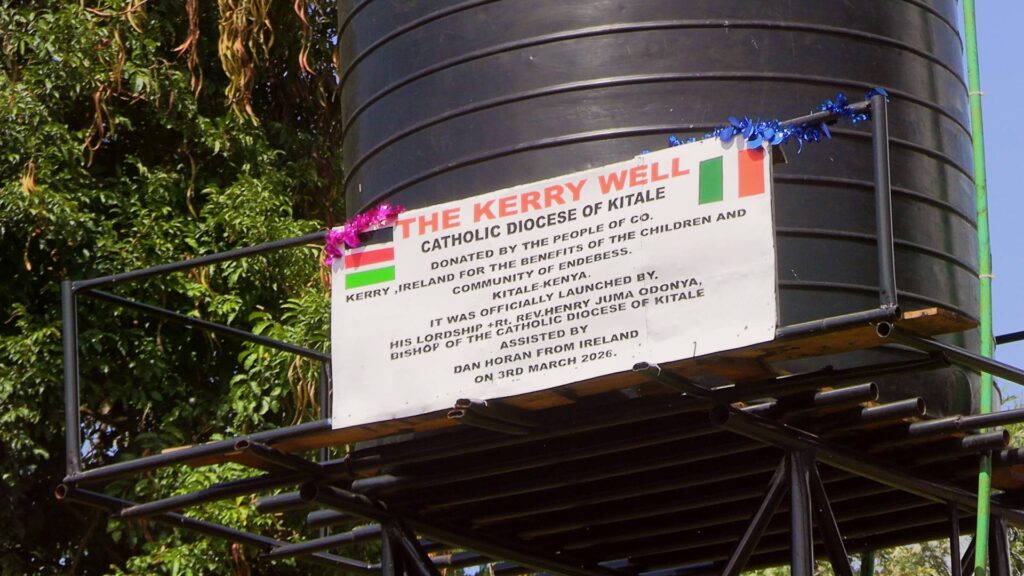
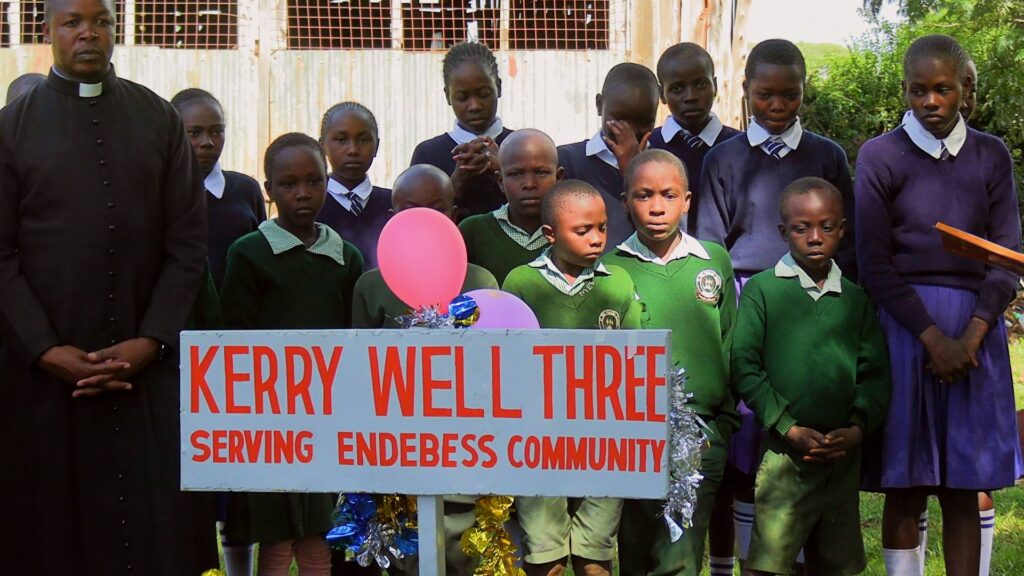
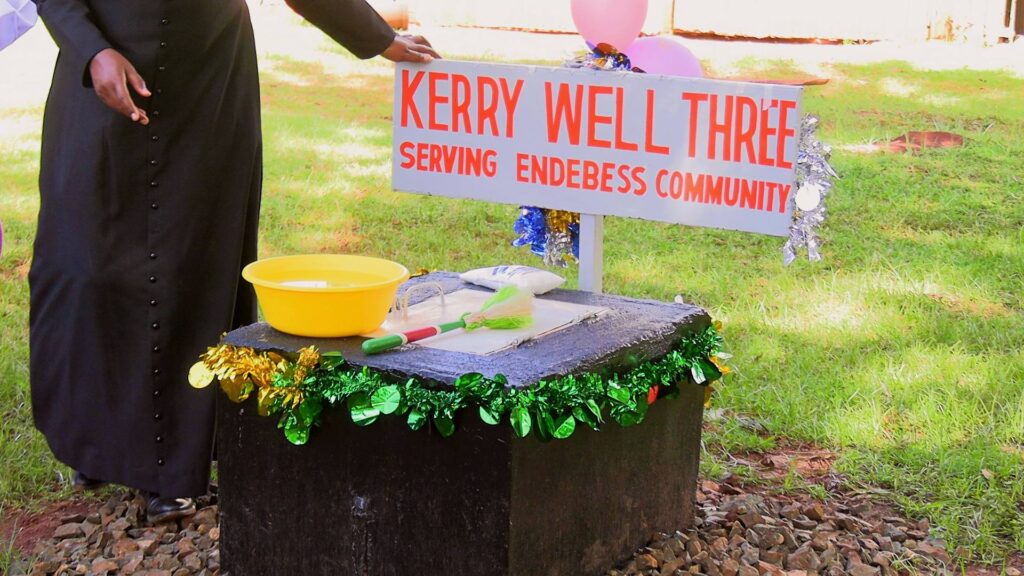
The Catholic Diocese of Kitale continues to extend its pastoral care through life-giving development initiatives, among them the provision of clean and reliable water to communities in need. On 3rd March 2026, Bishop Henry Juma Odonya presided over the commissioning of newly completed water projects at Sibanga Diocesan Youth Centre and Endebess Parish, marking a meaningful step in addressing long-standing water challenges affecting both institutions and surrounding households. These projects now offer renewed hope, easing daily burdens and fostering healthier, more supportive environments for learning and youth formation.
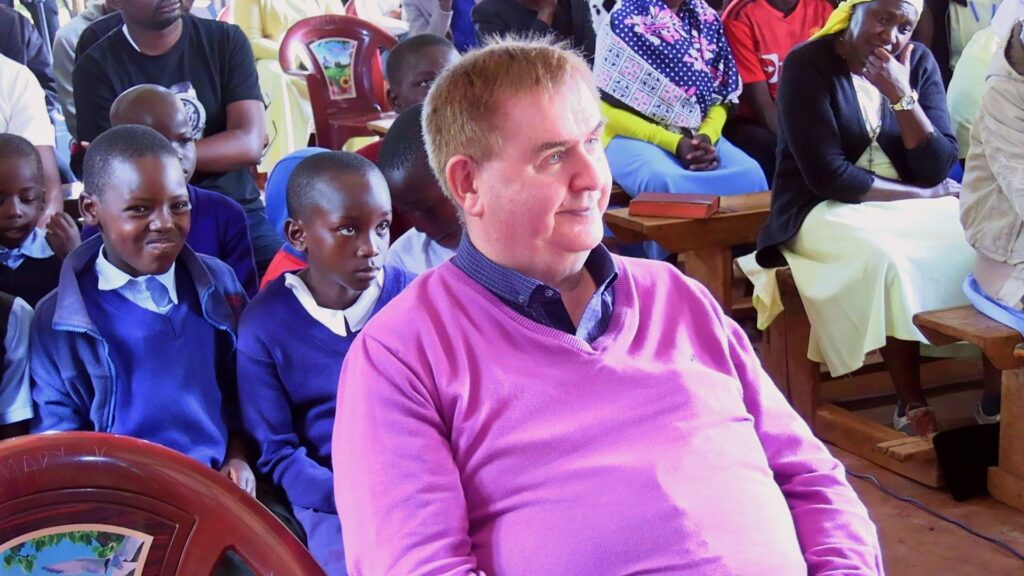
Realized through the generous support of Dan Haron, the initiative stands as a quiet witness to Christian solidarity and care for the vulnerable. By improving access to water, the Diocese not only promotes health and dignity but also strengthens the foundation for education and community life. With continued collaboration between well-wishers and local leadership, the Diocese remains committed to nurturing both the spiritual and social well-being of the people it serves.
However, the need remains immense. Approximately 75% of the Catholic Diocese of Kitale lies within arid and semi-arid areas, where access to sustainable water sources is a daily struggle. Many communities are faced with acute water shortages, and due to widespread poverty, most families and local congregations are unable to finance the digging of wells on their own. The challenge of water scarcity continues to affect not only households but also schools, churches, and pastoral programs across the Diocese.
This reality calls for greater partnership and support. The Diocese makes a humble appeal to well-wishers, development partners, and all people of goodwill to join in addressing this pressing need. Investment in well-digging and sustainable water solutions will not only transform lives but also strengthen the resilience and dignity of communities across Kitale. Together, we can ensure that access to clean water becomes a lasting blessing for all.
Tab Content
Cattle rustling and banditry have long fueled cycles of violence across the North Rift, while cross-border tensions continue to arise as neighboring communities compete over scarce resources and territorial boundaries. These recurring conflicts underline the urgent need for sustained peace interventions that can break the pattern of retaliation and mistrust. As the country steadily approaches the 2027 general elections, the risk of heightened political tensions adds another layer of concern. In this context, the Church is called to intensify its mission, preaching peace, guiding consciences, and sensitizing voters on the importance of maintaining harmony before, during, and after the electoral period.
The Catholic Diocese of Kitale remains deeply committed to fostering peace and reconciliation across communities, especially in regions affected by tension and resource-based conflicts. Through its engagement in the North Rift Peace Initiative, the Diocese works alongside neighboring dioceses, churches, and local leaders to promote dialogue, healing, and coexistence along the borders of West Pokot, Elgeyo Marakwet, and Turkana. Central to this mission are annual Peace Masses held in areas such as Kainuk, Chesegon, Kapsait, Kapedo, and Lorengipi, bringing together communities in prayer, reflection, and renewed commitment to peaceful living.
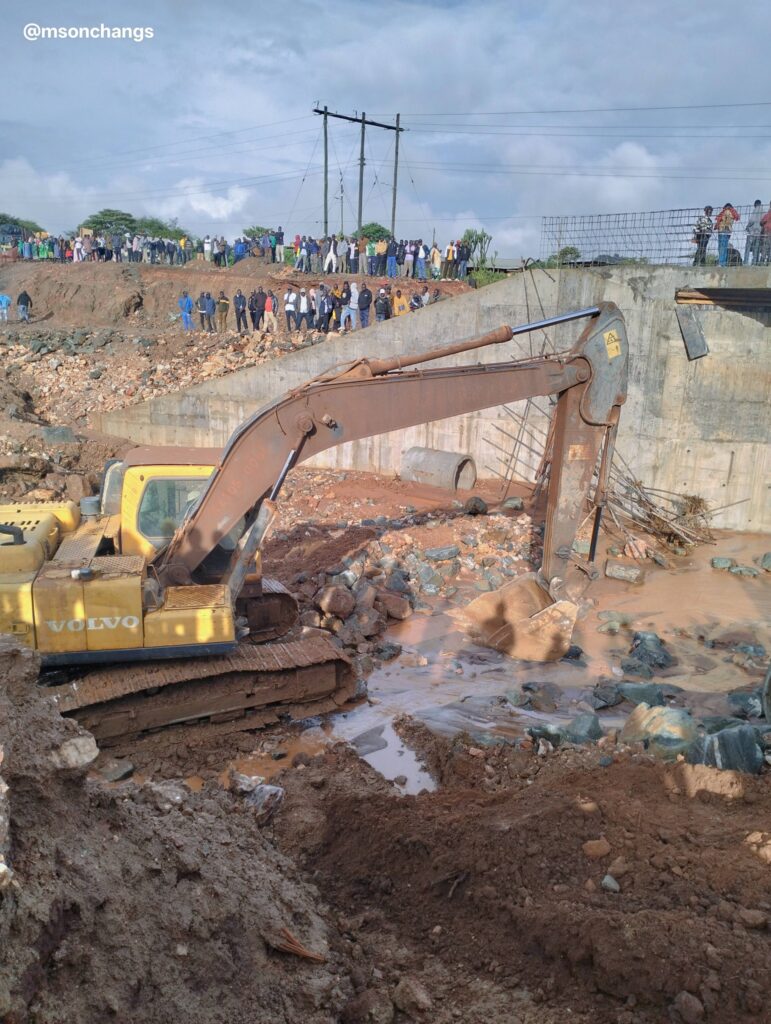
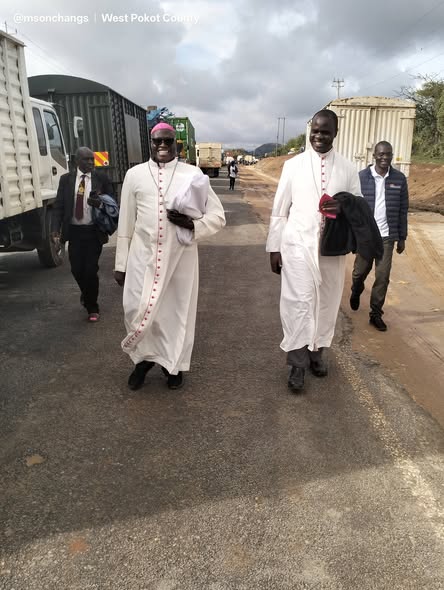
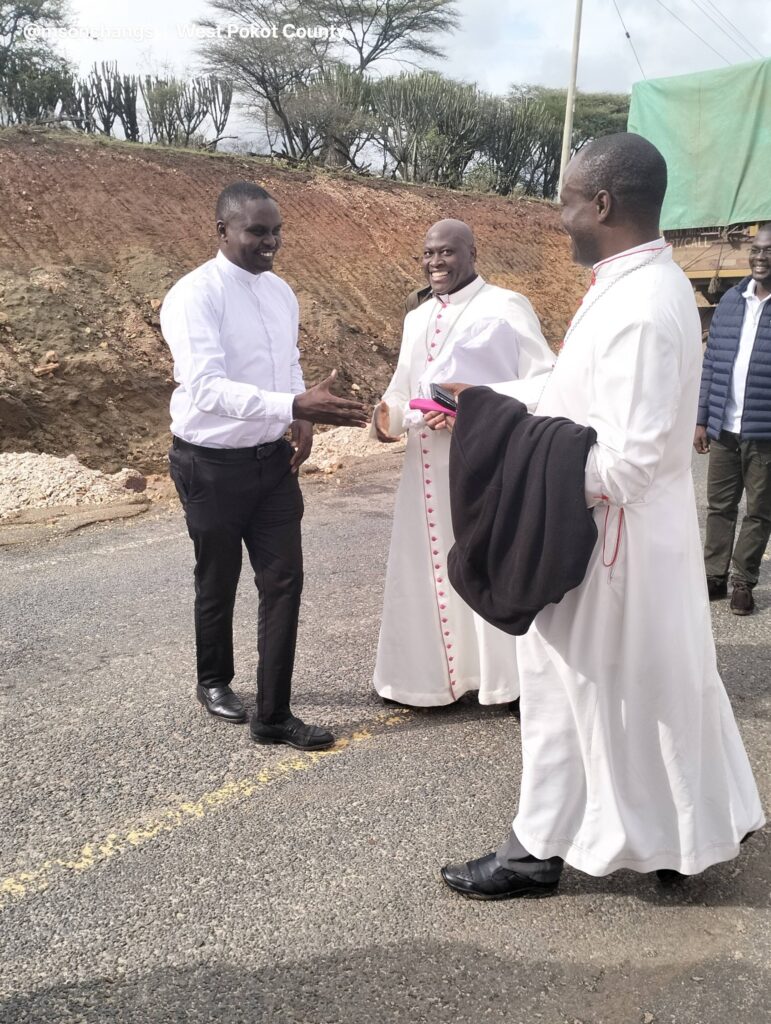
This dedication is often lived out even in the face of hardship. In March 2026, when heavy rains destroyed sections of the Kitale-Lodwar road near Morpus and cut off transport, Bishop Henry Juma Odonya and Bishop John Mbinda persevered on foot for several kilometers before securing alternative transport to reach Kainuk in time for the Peace Mass. Their journey reflected the Church’s unwavering presence among the people and its steadfast resolve to stand as a bridge of peace. Through such witness, the Diocese continues to affirm that peace is not only preached, but actively pursued-even in the most challenging circumstances.
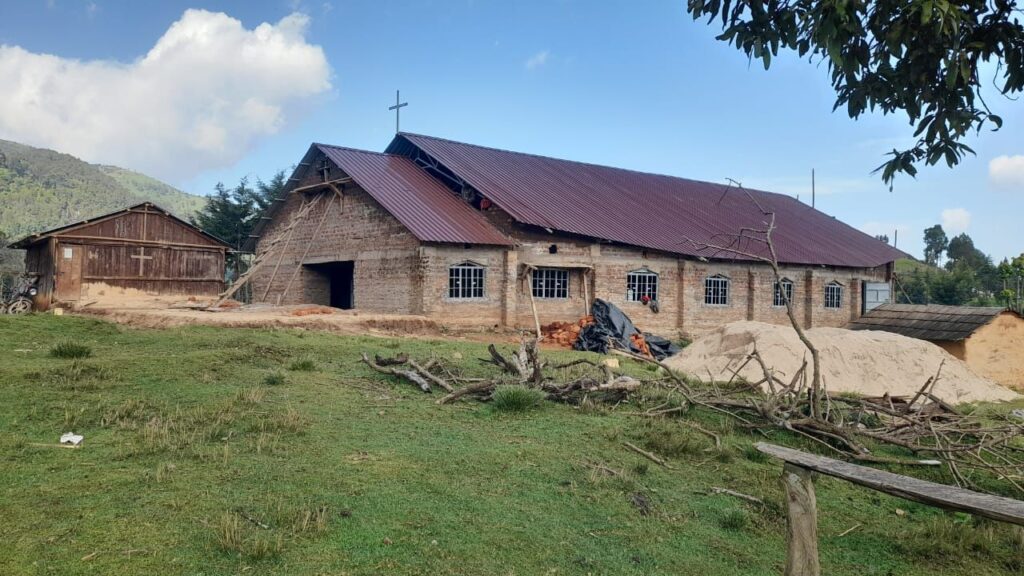
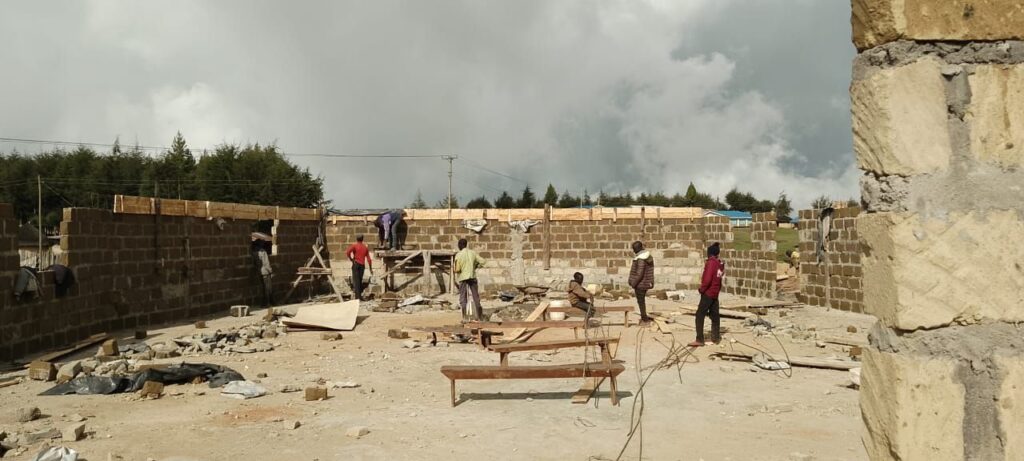
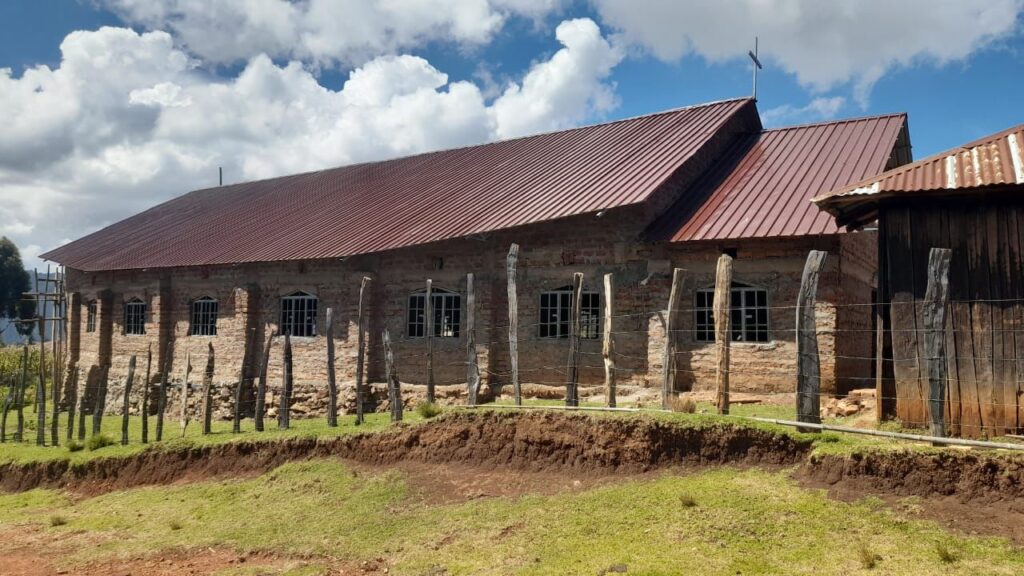
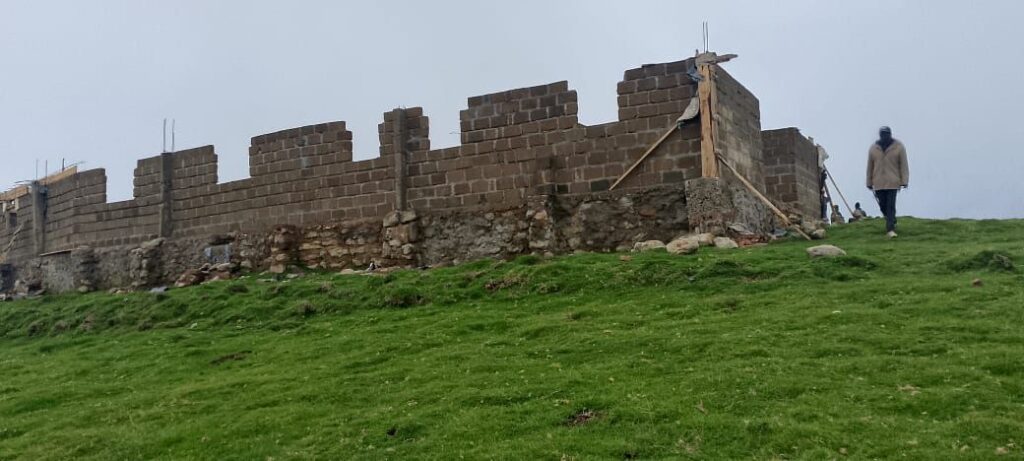
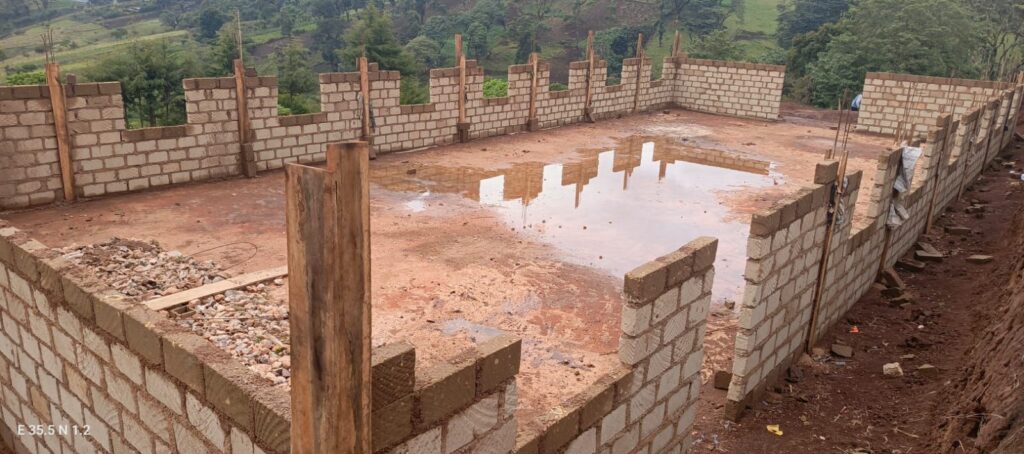
Caritas Kitale continues to play a vital role in strengthening faith communities through the construction of churches across various parishes. These efforts are carried out in close partnership with local Christians and parish priests, reflecting a shared commitment to nurturing spiritual growth and expanding places of worship.
A notable example of this ongoing work can be seen in Sina Parish, located in the pastoral region of West Pokot within the Catholic Diocese of Kitale. Under the leadership of Fr. Cleophas Sifuna , the parish is currently undertaking the construction of seven church outstations. Among these are Mary Queen of Peace Kapushen and Holy Trinity Tangasia.
What stands out in this initiative is the active involvement of the local Christian community, who are directly contributing to the building of these churches. Their dedication highlights the spirit of unity and faith that drives these projects forward. Several of these outstations are expected to be officially opened within the year.
Through the Caritas office, the Diocese of Kitale continues to support and promote such initiatives, reinforcing its mission to foster faith development and provide conducive spaces for worship across the region.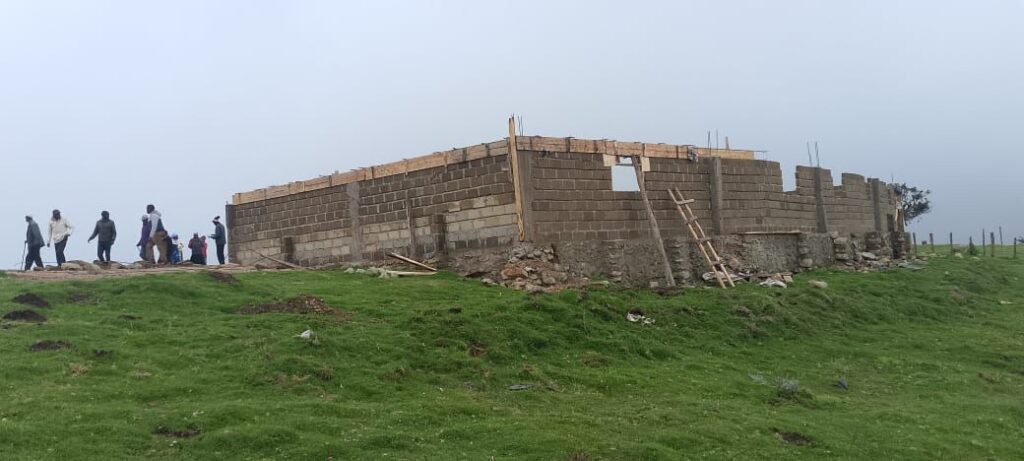
Tab Content
THE LAUNCH
On 9th November 2024, the Catholic Diocese of Kitale marked its silver jubilee with a vibrant celebration at St. Joseph’s Pavilion. The event, commemorating 25 years of the diocese, was graced by His Grace, Most Rev. Maurice Muhatia, Archbishop of Kisumu. During the occasion, His Lordship, Rt. Rev. Henry Juma Odonya, Bishop of Kitale, unveiled an ambitious project: the construction of a modern pastoral center. This project, named St. Joseph’s Pastoral Centre, represents a significant milestone in the diocese’s roadmap for growth. A dedicated team was commissioned to ensure the vision and objectives of this initiative are effectively communicated to parishioners throughout the diocese.
The pastoral center is envisioned as a cornerstone for the diocese’s future, contributing to income generation, spiritual development, social support, and sustainable resources. Bishop Odonya emphasized that the project aligns with the diocesan strategic plan for 2024–2029, which is anchored on three key pillars;
- Growing Faith
- Integral Human Development
- Resource Mobilization
The ceremony was attended by a distinguished gathering of Bishops from the Kisumu Metropolitan, including Rt. Rev. Mark Kadima of the Diocese of Bungoma, Rt. Rev. John Kiplimo Lelei, Auxiliary Bishop of Eldoret Diocese, and Rt. Rev. Maurice Anthony Crowley, Bishop Emeritus of Kitale Diocese.
THE GROUND BREAKING CEREMONY
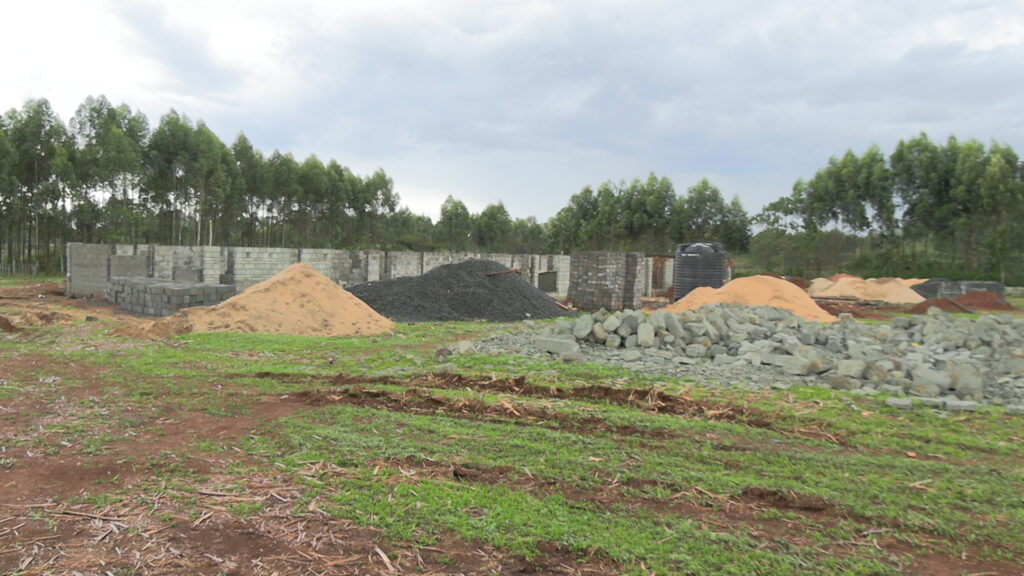
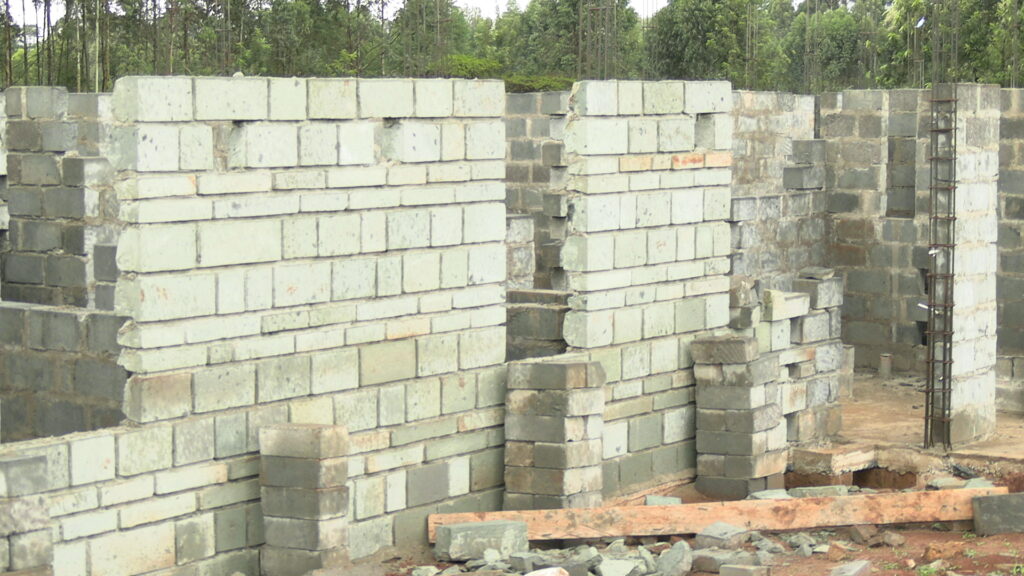
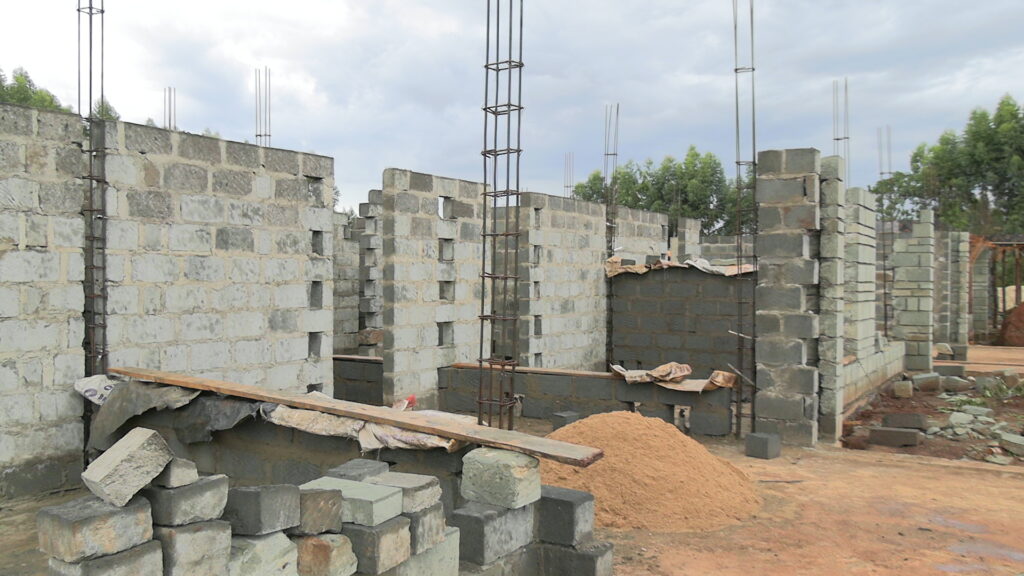
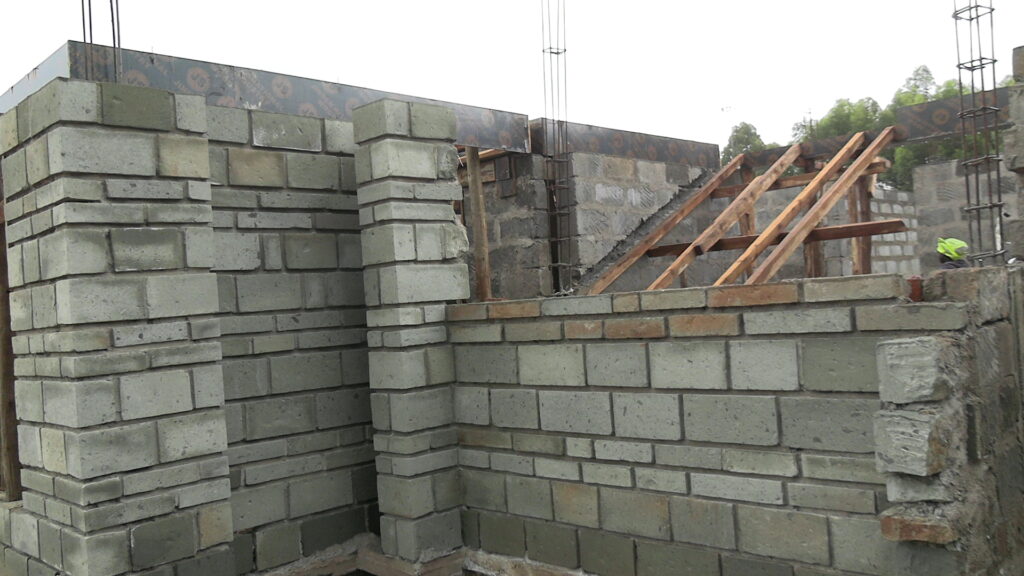
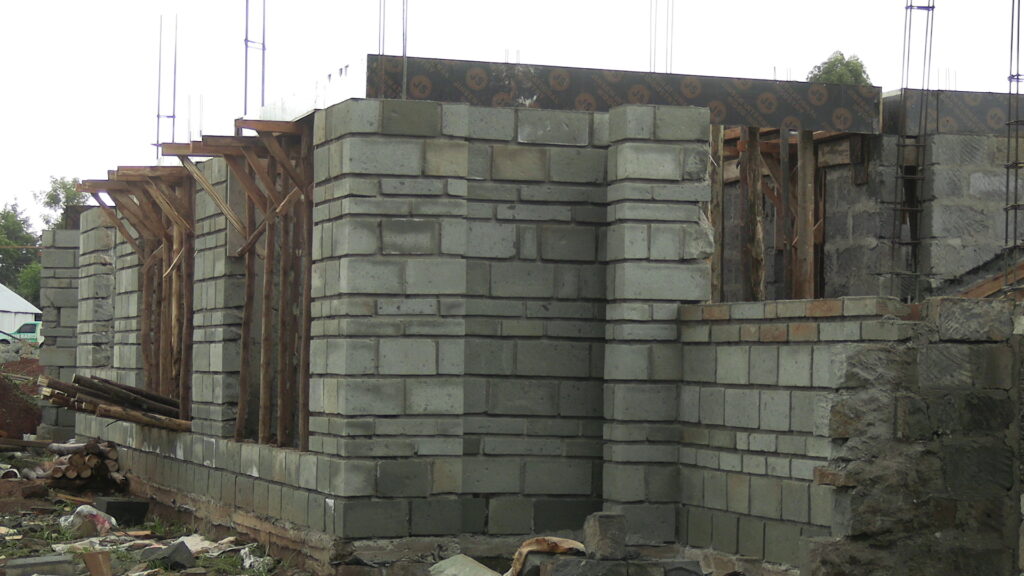
The groundbreaking ceremony for the notable St. Joseph’s Pastoral Centre took place on 21st November 2024. The event was officiated by His Lordship, Rt. Rev. Henry Juma Odonya, and marked a significant milestone in the progress and development of the diocese. The center is strategically located adjacent to St. Joseph’s Parish Church.
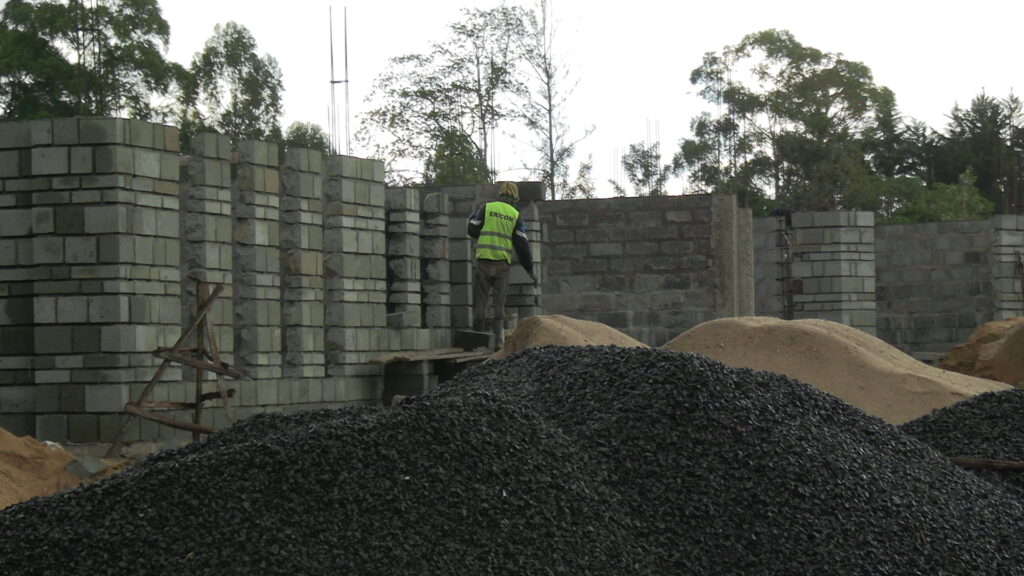
This momentous occasion brought together key stakeholders, including Bishop Emeritus Maurice Anthony Crowley, the Vicar General Very Rev. Fr. Micah Kibet, the Diocesan Secretary Rev. Fr. James Oranga, Pastoral Coordinator Rev. Fr. James Ndombi, St. Joseph’s Parish Priest Rev. Fr. Peter Nyamache, as well as other priests from across the diocese, members of the lay council, finance council, parish executives, the Chief Architect Mr. Julius Matasio, and the lead contractor, Eng. Eric Ouma of Ericom Building and Contractors Limited.
The construction site, along with a newly acquired tipper to be utilized during the project, was dedicated and blessed during the ceremony. In his address, Bishop Odonya described the initiative as “a work of everyone and for everyone,” emphasizing that the project fully integrates the mission of the Church. He highlighted the importance of creating spaces for meeting, gathering, and sharing to address the solitude experienced by many, while also fulfilling the Gospel’s mission and the message of Christ.
Bishop Emeritus Crowley hailed the project as a remarkable milestone, combining social and spiritual dimensions, and addressing a long-standing need within the diocese.
The construction, valued at an estimated 410 million shillings, is projected to be completed within seven years. The project will be entirely funded by the Church and contributions from well-wishers.
 THE PHASES OF THE PROJECT
The proposed pastoral center is planned to unfold over seven years, subject to the availability of funds, with an estimated total project cost of Ksh. 410 million. The construction will take place in phases, ensuring the project can be implemented systematically.
Phase I
The initial phase focuses on creating essential facilities, blending functionality and comfort. It includes:
- Visitors’ car drop-off area, reception, lift and staircase spaces.
- 63 standard rooms, temporary kitchen and dining facilities, laundry and drying areas, ironing room, and a linen store.
- Two seminar rooms, two boardrooms, a chapel, and a sanitation area.
- A housekeepers’ office to streamline operations.
- This phase is projected to cost Ksh. 150 million.
Phase II
Phase II introduces more advanced amenities to enhance the centre’s capacity.
- A visitors’ car drop-off area, an entrance hall, reception, and administration offices.
- An auditorium with a capacity of 200–250 people, VIP waiting room, three seminar rooms (40–60 pax), and two boardrooms.
- Three dining halls of varying capacities, common sanitation areas, and a kitchen with supporting zones.
- An ICT & CCTV room, equipment store, housekeepers’ office, staff canteen, and vertical circulation areas like lifts, ramps, and staircases.
- Estimated at Ksh. 160 million.
Phase III
The final phase focuses on luxury and leisure amenities to crown the project.
- 33 additional standard rooms, three executive suites, and eight cottages, bringing the total accommodation capacity to 107 rooms.
- A swimming pool, gym, sauna, and cafeteria to cater to wellness and relaxation needs.
- This phase is estimated at Ksh. 100 million.
THE FINANCIAL APPEAL
The Bishop of the Catholic Diocese of Kitale, Rt. Rev. Henry Juma Odonya, has made an earnest appeal to the faithful, friends of the Diocese, and all people of goodwill to support the noble vision of the St. Joseph Pastoral Centre. This transformative project aims to create a hub for spiritual, administrative, and community services, with completion planned within the next seven years.
In his appeal, Bishop Odonya emphasized the importance of collective effort in bringing this vision to fruition.
To contribute towards this worthy cause, donations can be made through FAMILY BANK using the following details:
- PAYBILL NUMBER: 222111
- ACCOUNT NUMBER: 001998
Once a payment is made, you will receive a confirmation message from Family Bank stating:
‘Confirmed. Payment of Ksh… to THE CATHOLIC DIOCESE OF KITALE PASTORAL CENTRE PROJECT [001998] has been received. Ref. SKFI…H4AD on [Date and Time].’
The Bishop expressed heartfelt gratitude for every contribution, no matter the size, and assured the faithful that their generosity would pave the way for the successful realization of this ambitious project.
Thank you for your support. Together, we can build a centre that embodies faith, service, and unity.
ab Content


