
Originally published by Rose Achiego Ande of The Mirror
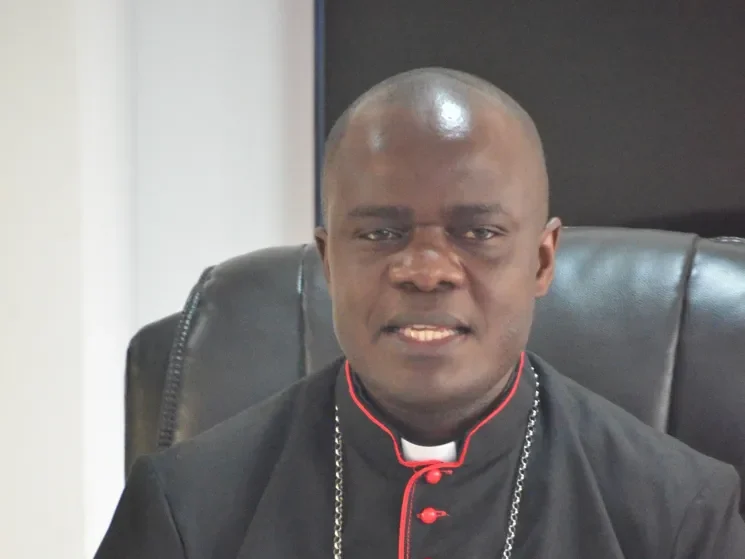
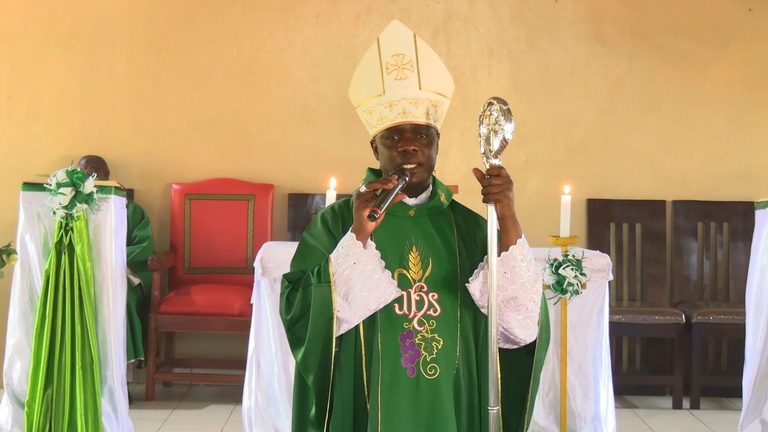
The Chairman of the Kenya Conference of Catholic Bishops (KCCB) Commission for Youth Apostolate, Rt. Rev. Henry Juma, has challenged diocesan youth chaplains to strengthen spiritual formation and Eucharistic catechesis, warning that vibrant youth activities must translate into a deeper commitment to the Catholic faith.
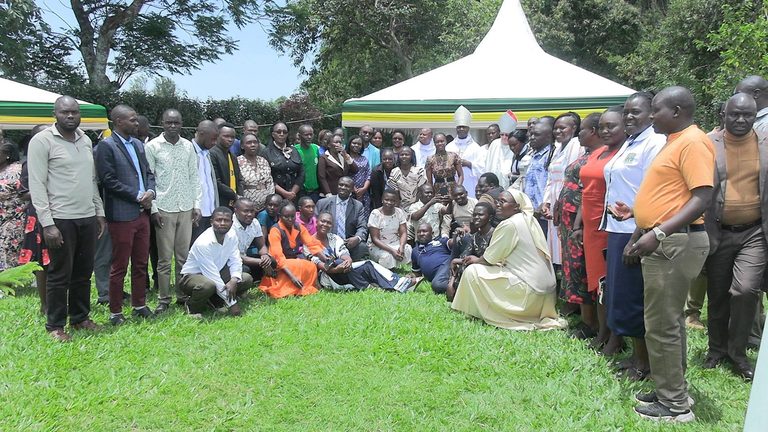
Speaking during a meeting with youth chaplains from dioceses across Kenya at Clergy Home on Tuesday 13th October 2026, the Bishop of the Catholic Diocese of Kitale expressed concern over the low number of young people who received Holy Communion during the National Youth Mass and music festival held in Mombasa.
“I was touched. Many of our young people are not receiving the Eucharist,” Bishop Juma said, urging chaplains to reflect on how they accompany young people towards a deeper understanding of the sacraments and a more active participation in the life of the Church.
He cited St. Carlo Acutis, the young Italian Catholic known for his devotion to the Eucharist and the Blessed Virgin Mary, as an example of how young people can cultivate a profound spiritual life.
Bishop Juma challenged youth ministers to examine whether their programmes were adequately addressing the spiritual needs of young people, noting that participation in youth events does not necessarily translate into a deeper understanding of the faith.
He observed that some young people participate actively in Church activities but show little interest in catechesis, while others who have been baptized do not receive Holy Communion.
He also recounted an encounter with a young person in Kitale who, during a casual conversation, revealed that he had not been baptized, illustrating the need for deliberate evangelization and sacramental preparation.
The bishop called for renewed efforts to encourage young people to attend catechesis, receive the sacraments and understand the significance of the Eucharist in Catholic life.
Referring to the Eucharistic devotion of St. Carlo Acutis, he reminded the chaplains that the Eucharist is not merely a religious practice but the real presence of Christ at the center of Catholic faith. “The Eucharist is everything, because the Eucharist is Jesus Himself,” he said, inviting participants to make spiritual accompaniment a central priority in their ministry.
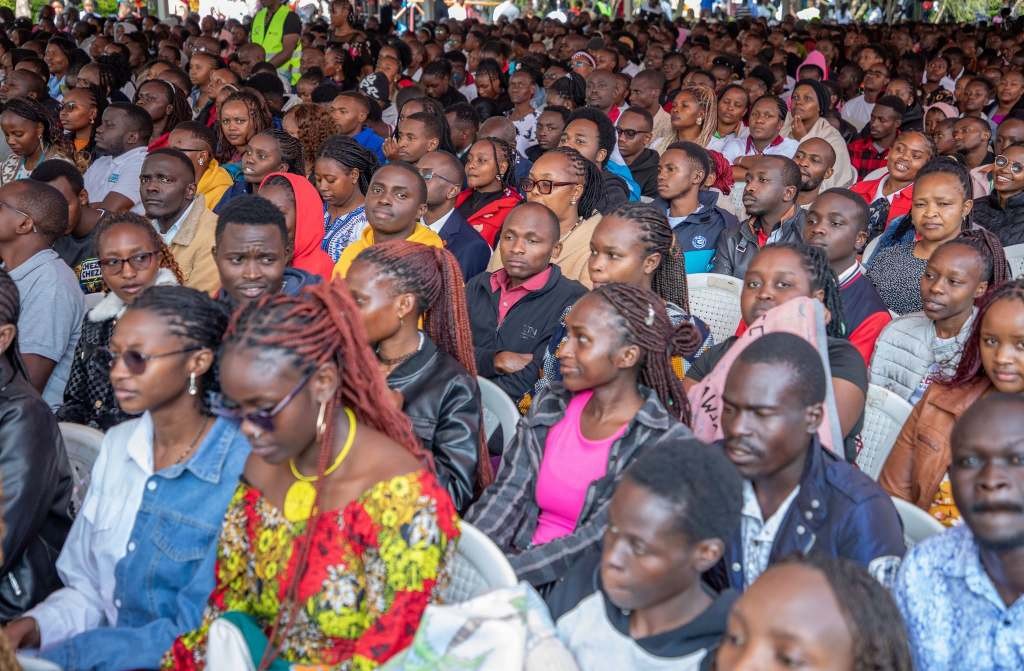
Bishop Juma emphasized that effective youth apostolate requires a balance between engaging activities and sustained spiritual formation.
He encouraged chaplains to create opportunities for young people to experience fellowship, develop their talents and participate in evangelization while ensuring that these activities lead them towards a stronger relationship with God.
Reflecting on Ecclesiastes 11:9, he said the Church has a responsibility to help young people embrace their youth joyfully while learning to make responsible choices grounded in faith.
He urged chaplains to help young people understand themselves, reflect on their lives and discover their purpose through formation and accompaniment.
In a society increasingly influenced by materialism and individualism, he said, the Church must remain committed to helping young people recognize God’s presence in their lives and grow in trust in Him.

Beyond spiritual formation, Bishop Juma called for stronger collaboration among diocesan youth chaplains, describing them as key stakeholders in shaping the direction of youth apostolate in Kenya.
He explained that the meeting was conceived following discussions among bishops and youth ministry representatives during an earlier gathering in Nyahururu, where the need for regular consultations among chaplains emerged.
He said the Commission needed a more participatory approach that would allow chaplains to contribute their experiences, identify challenges and develop programmes that respond to the realities of their respective dioceses.
“For the Youth Apostolate to move forward, it is good for us to meet,” he said, emphasizing that the Commission’s leadership must listen to those working directly with young people.
He added that bringing together the different experiences and talents of diocesan chaplains would strengthen national youth ministry and establish a more effective feedback mechanism for assessing programmes, identifying opportunities and addressing emerging challenges.
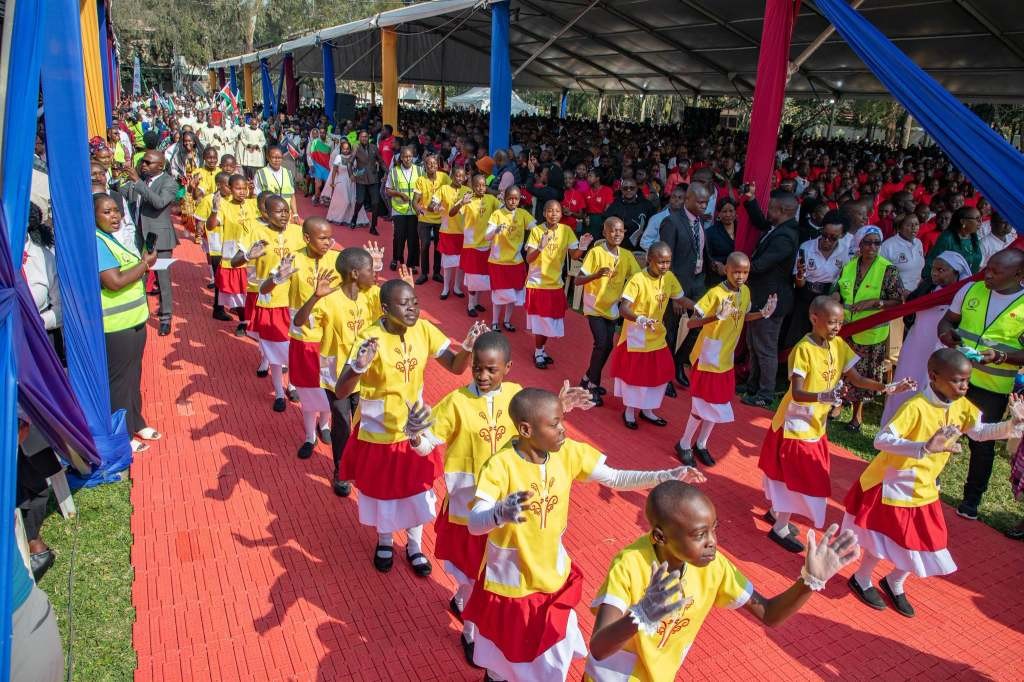
The bishop also encouraged the Church to explore creative approaches to evangelization, citing the music extravaganza held during the 21st Assembly of the Association of Member Episcopal Conferences in Eastern Africa (AMECEA) in Nairobi in July 2026.
He described the event as a powerful demonstration of how music can communicate the Gospel, promote hope and peace, and engage young people through forms of expression that resonate with them.
He thanked the clergy and technical teams involved in organizing the event and challenged the Commission to explore similar initiatives alongside the traditional national Catholic music festivals.
“We can pass the message of Christ, the message of hope, the message of peace to our young people while they are having fun,” he said.
Bishop Juma also commended diocesan chaplains for mobilizing young people to participate in the AMECEA plenary assembly’s opening Mass and related activities.
The assembly, held under the theme “AMECEA’s Synodal Journey with Young People,” provided an opportunity for Church leaders to listen to young people and reflect on their participation in the Church’s life and mission.
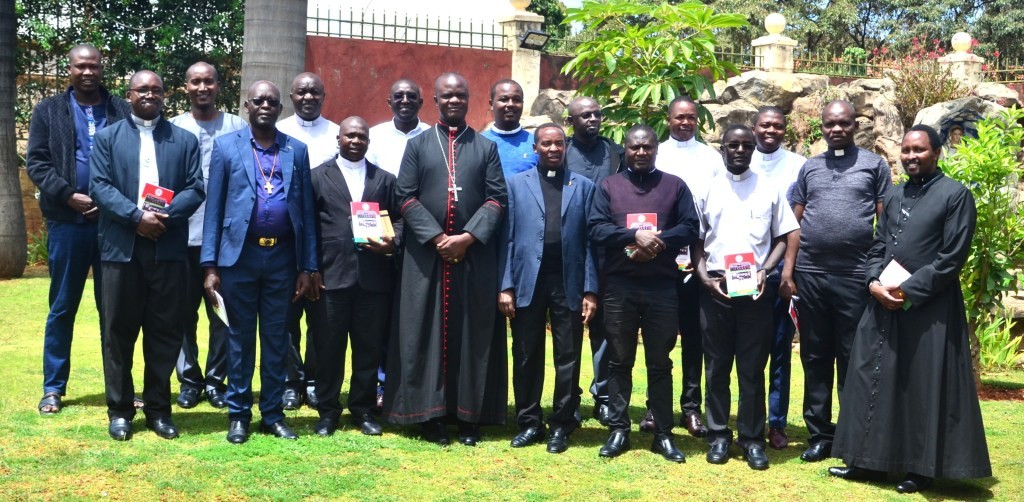
Drawing from the AMECEA experience, Bishop Juma said young people had expressed a desire to be listened to, accompanied and included in decision-making structures.
He stressed that the Church’s responsibility extends beyond mentoring young people to giving them meaningful opportunities to shape pastoral programmes and contribute to the mission of evangelization.
He also highlighted the importance of coordinating youth movements, and parish-based youth groups, to ensure continuity in pastoral care as young people transition through different stages of life.
Acknowledging that the KCCB Commission for Youth Apostolate is still developing and faces several challenges, he described the gathering as an opportunity for mutual learning and the exchange of ideas among dioceses.
He expressed hope that the discussions would lead to a more vibrant, coordinated and spiritually grounded youth apostolate across Kenya.
Bishop Juma concluded by thanking the chaplains for attending the meeting and invoking God’s blessings upon their ministry before officially opening the gathering.
His message placed a renewed emphasis on a central challenge for Catholic youth ministry: ensuring that young people are not only actively involved in Church activities but are also growing in faith, deepening their sacramental life and developing a lasting relationship with Christ.